Uttarakhand

Destination Agents and Services

About

Uttarakhand, the Land of the Gods, is a serene Himalayan state known for its spiritual heritage, scenic beauty, and adventure tourism. From the sacred Char Dham temples to hill stations like Nainital and Mussoorie, it’s a perfect blend of nature and divinity

Famous Destinations

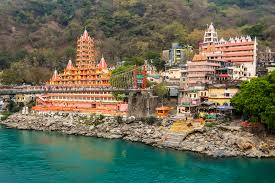
Spiritual Sites

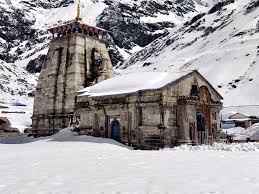
Kedarnath

Uttarakhand, known as Devbhoomi, is a sacred land where temples, rivers, and mountains unite faith with serenity.

Historic Sites

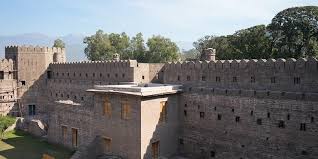
Historic Forts

Uttarakhand showcases a rich heritage of ancient temples, forts, and vibrant cultural landmarks.

Adventures Sites

Adventure

Uttarakhand is a haven for adventure enthusiasts, offering trekking, rafting, skiing, and more amidst the Himalayas.

Natural Beauty

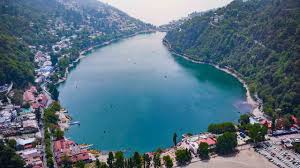
Nainital

Nainital, the jewel of Uttarakhand, is famous for its serene lakes, lush hills, and charming hill station vibes.

Widlife Sites

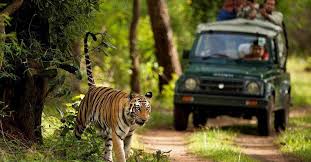
Wildlife

Uttarakhand is home to diverse wildlife, from tigers and elephants to exotic birds, thriving in its national parks and forests.

Hidden Sites

Hidden Places

Uttarakhand hides enchanting offbeat destinations, where serene valleys, quaint villages, and untouched landscapes await discovery.

Long History of Struggle

1952
The idea of a separate hill state was first raised when people felt that the unique geographical and cultural conditions of the Himalayan region were being neglected under Uttar Pradesh’s administration.
1973
The Chipko Movement in Chamoli, led by villagers and environmentalists like Chandi Prasad Bhatt and Sunderlal Bahuguna, became the symbol of public unity and resistance. It showed how strongly the people could fight for their land and forests.
1979
Formation of the Uttarakhand Kranti Dal (UKD) — the first organized political voice demanding a separate Uttarakhand state.
1990s
Series of peaceful protests and rallies across hill districts highlighting unemployment, migration, poor infrastructure, and government neglect. The demand for separate statehood gained strength among youth, women, and social workers.
1994
The Rampur Tiraha incident (2 October 1994) where police fired upon peaceful protesters became a turning point. The tragic event united the region and turned the demand into a mass movement.
1999
Both the Uttarakhand Kranti Dal and national political parties began to formally support the creation of the new state due to public pressure.
2000
The Uttaranchal Bill was passed by the Parliament of India. On 9 November 2000, the new state of Uttaranchal (renamed Uttarakhand in 2007) was officially formed with Dehradun as its capital.
2007
Uttaranchal was officially renamed Uttarakhand, restoring its cultural identity. The people’s decades-long struggle was recognized and the dream of self-governance for the hill regions became reality.

Regions of Uttarakhand

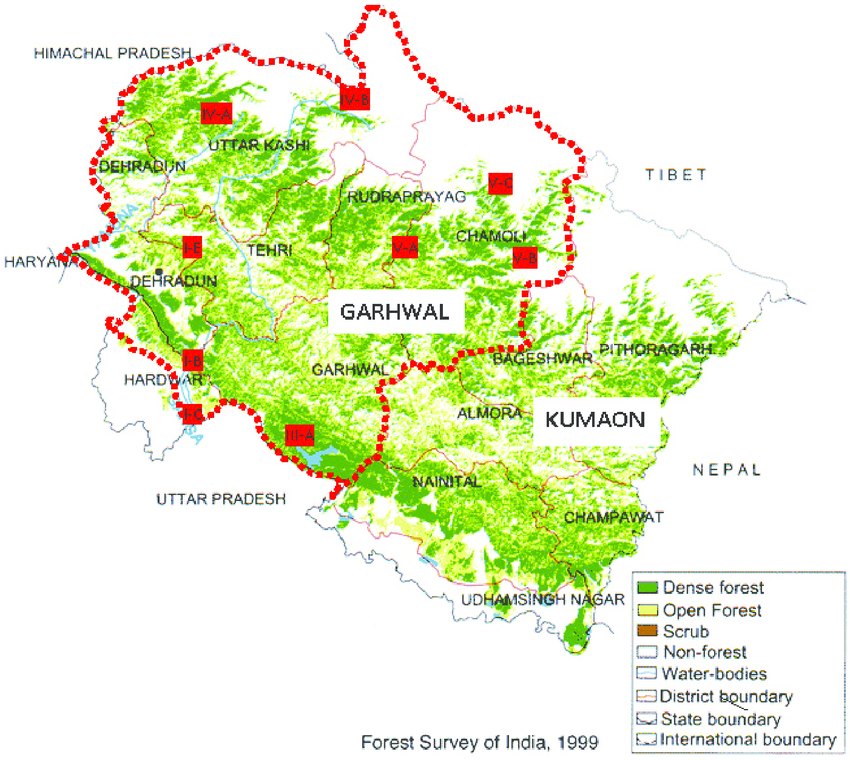
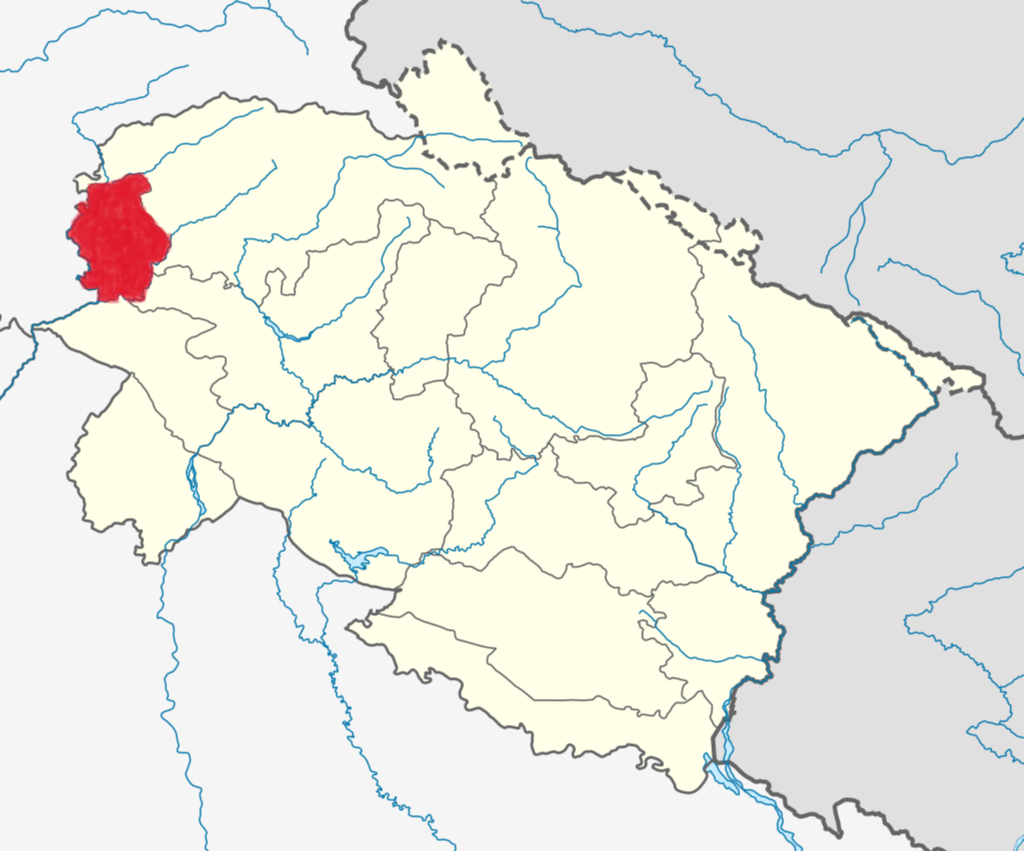
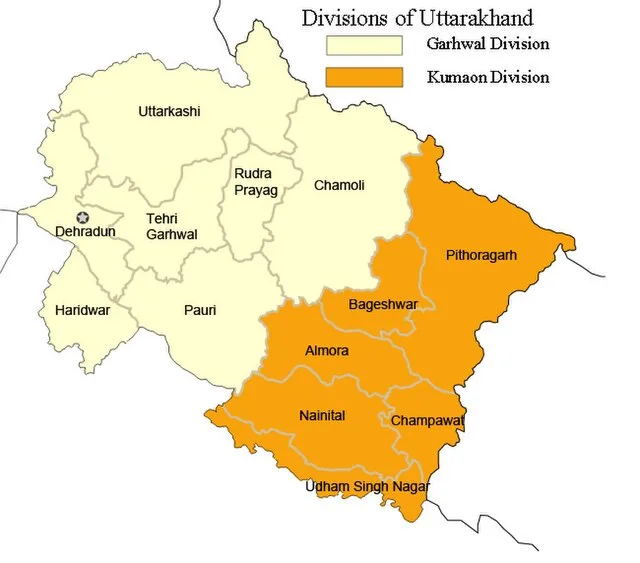
Kumaon, Garhwal, and Jaunsar — three regions that define the cultural and natural soul of Uttarakhand.

Kumaon Region

Kumaon

Eastern Uttarakhand, known for its terraced hills, apple orchards, and vibrant Kumaoni culture.

  • Famous towns: Nainital, Almora, Pithoragarh
  • Strong horticulture (apples, pulses)
  • Rich in arts, crafts & festivals
Garhwal Region

Garhwal

The western Himalayan region with spiritual hubs like Kedarnath, Badrinath, and Rishikesh.

  • Heart of Char Dham pilgrimage
  • Adventure & mountaineering
  • Hydropower & natural resources
Jaunsar Region

Jaunsar (Jaunsar-Bawar)

Southwestern hill region with unique tribal culture, wooden architecture, and ancient customs.

  • Distinct festivals and folk art
  • Strong community traditions
  • Rich pastoral and craft heritage